
Neutral interiors have long been a hallmark of refined, timeless design — and nowhere is this aesthetic more celebrated than in the homes of Dubai and the wider UAE. Shades of sand, ivory, warm taupe, and soft greige create a serene canvas that feels both luxurious and liveable. But a truly beautiful neutral interior is never flat. The secret lies in texture.
Layering textures is the art of combining materials, finishes, and tactile elements to add depth, warmth, and visual interest without introducing competing colours. When done well, it transforms a simple neutral palette into a space that feels curated, inviting, and unmistakably sophisticated.
Why Texture Matters in Neutral Interiors
When colour is stripped back, the eye naturally seeks contrast elsewhere. Texture fills that role beautifully. A room dressed entirely in smooth, flat surfaces — even in the most elegant neutral tones — can feel cold or sterile. Introduce a woven throw, a ribbed ceramic vase, or a piece of tactile wall art, and the space immediately comes alive.
In the UAE climate, where interiors often feature marble floors, high ceilings, and abundant natural light, texture also plays a practical role: it softens acoustics, adds warmth underfoot, and creates a sense of intimacy in larger spaces.
The Foundations: Start with Your Largest Surfaces
Walls
Your walls set the tone for the entire room. Consider textured plaster finishes, limewash paint, or linen-effect wallcoverings in warm whites and soft beiges. These finishes catch light differently throughout the day, giving your space a living, breathing quality. Once your walls are established, wall art becomes a powerful layering tool — choose pieces in natural materials like rattan, woven fibre, or matte ceramic to reinforce the tactile theme.
Floors and Rugs
A natural fibre rug — jute, sisal, or a flatweave wool blend — anchors the room and introduces an organic texture underfoot. Layer a softer, plush rug on top for contrast if your space allows. In UAE homes with polished marble or porcelain tile, this layering step is especially impactful.
The Middle Layer: Furniture and Upholstery
Furniture is where texture truly begins to build. Opt for sofas and chairs in linen, bouclé, or velvet — all of which read as neutral while offering very different tactile experiences. A bouclé armchair beside a smooth marble side table creates an effortless contrast that feels intentional and elegant.
Upholstered headboards in ribbed fabric, cane-fronted cabinetry, and raw wood dining tables all contribute to a layered interior without introducing colour. The goal is to ensure no two adjacent surfaces share the same finish.
The Detail Layer: Cushions, Throws, and Soft Furnishings
This is where you have the most creative freedom — and the most immediate impact. Cushions and throws are the easiest way to introduce new textures, and they can be updated seasonally to refresh the look of a room.
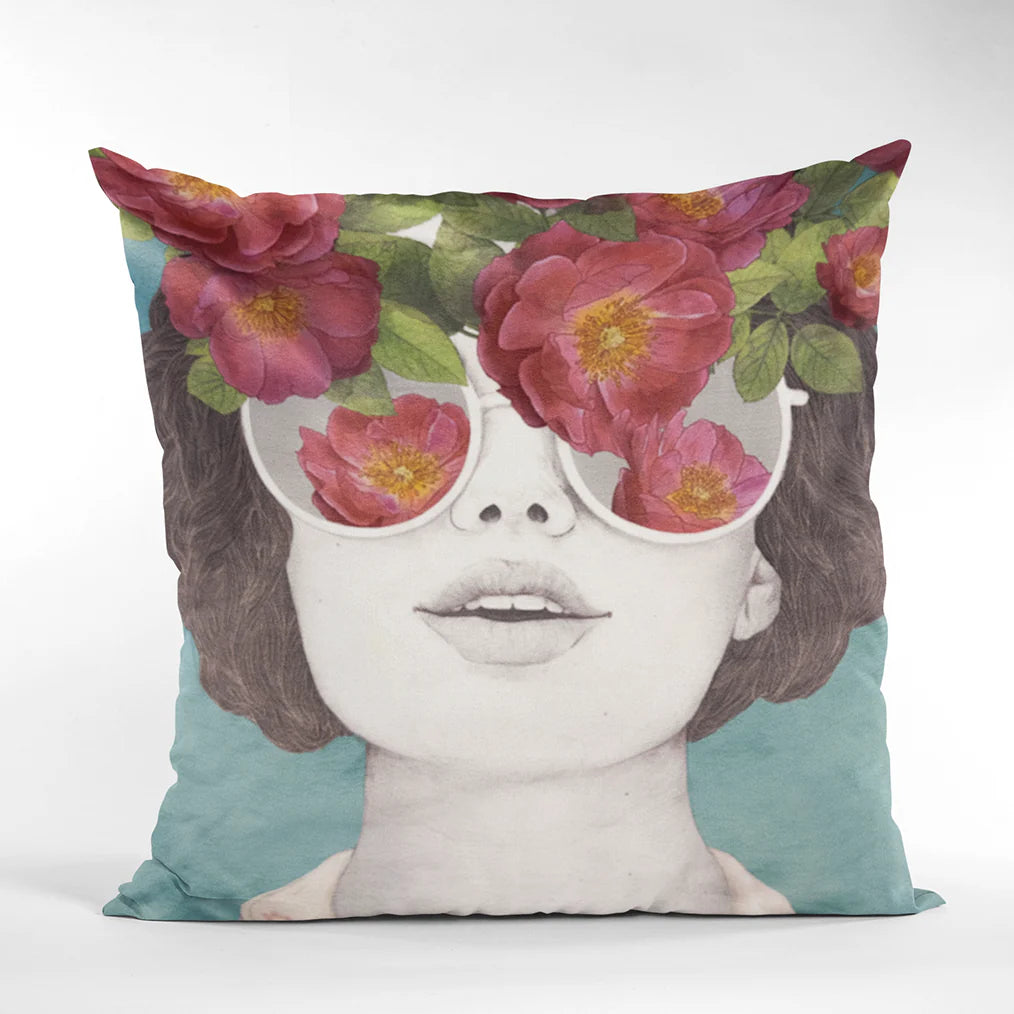
When selecting cushions for a neutral interior, focus on weave, weight, and finish rather than colour. Mix a smooth linen cushion with a chunky knit, a velvet square, and a flatweave geometric. The variety of textures creates visual rhythm without disrupting the palette. Explore our comfort collection for cushions and throws designed specifically for layered, neutral interiors.
Ceramics and Decorative Objects
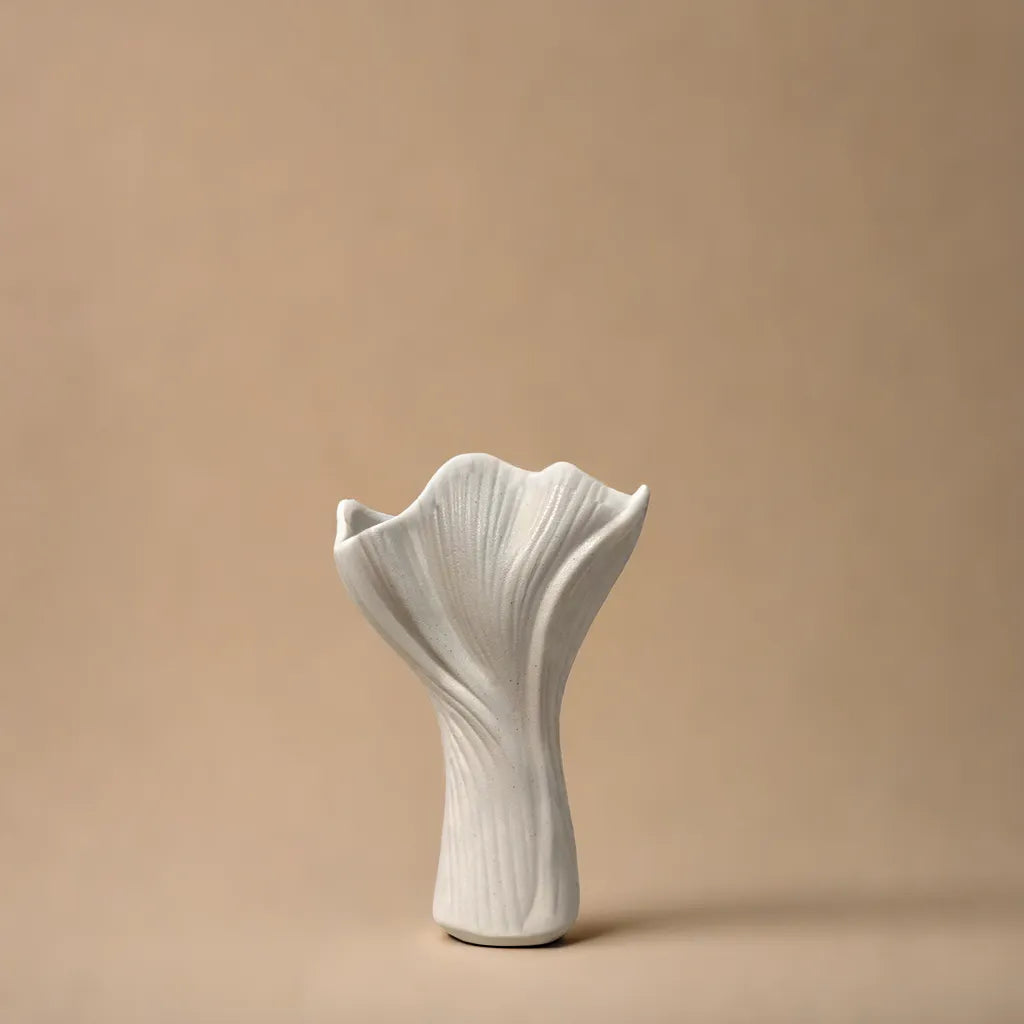
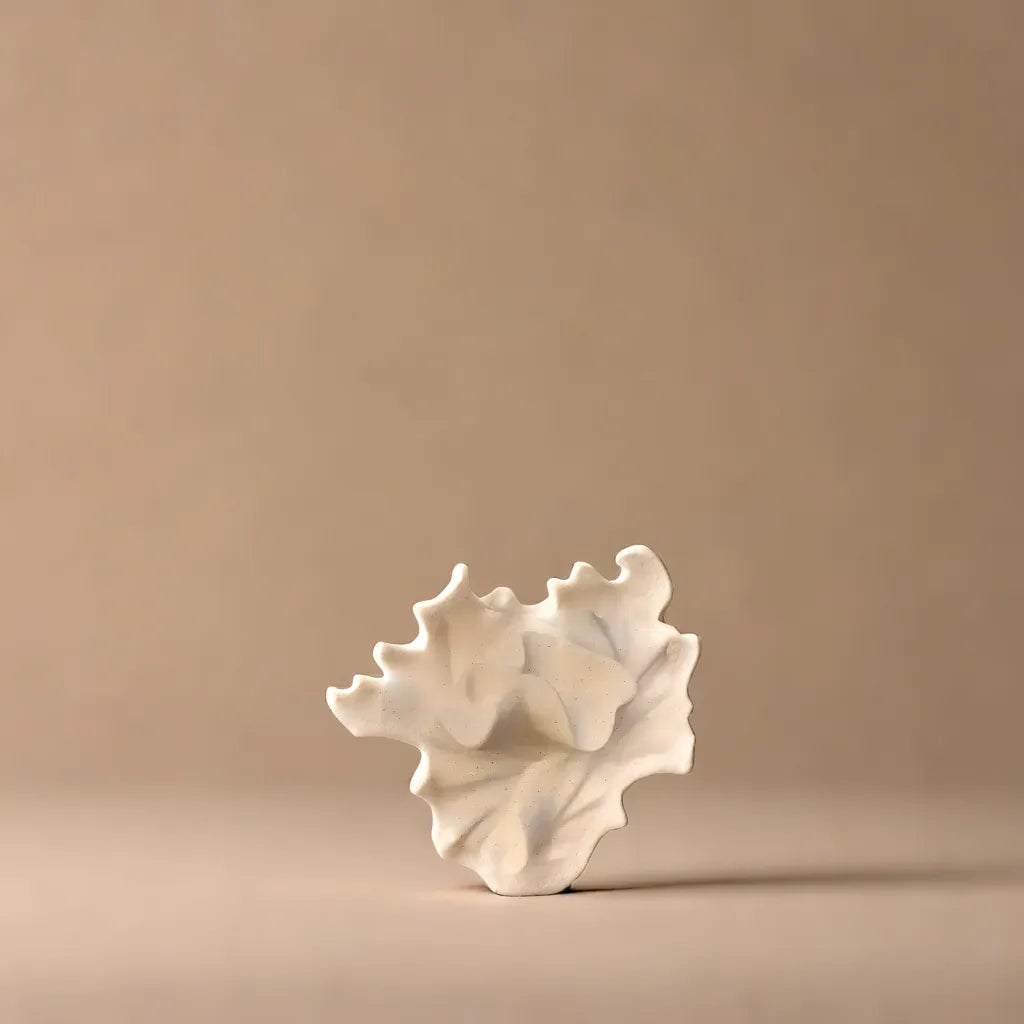
Decorative objects are the punctuation marks of a well-layered interior. Ceramics, in particular, offer an extraordinary range of textures — from smooth, glazed finishes to raw, matte stoneware and hand-thrown pieces with visible tool marks.
Group objects of varying heights and textures on a console, shelf, or dining table. A tall, ribbed vase beside a smooth sculptural bowl and a rough-hewn stone object creates a composition that is endlessly interesting to the eye. Odd numbers tend to work best — three or five objects grouped together feel more natural than even-numbered arrangements.
Natural Elements: Bringing the Outdoors In
In a neutral interior, natural materials are your greatest allies. Dried botanicals, pampas grass, olive branches, and sculptural driftwood all introduce organic texture that no manufactured product can replicate. These elements also connect your interior to the natural landscape — a particularly resonant choice in the UAE, where the desert and coastline offer such striking natural beauty.
Pair natural botanicals with handcrafted ceramics and woven textiles for a layered look that feels grounded and authentic.
Practical Tips for Layering Textures Successfully
- Vary the scale: Mix fine textures (smooth linen, polished stone) with coarser ones (chunky knit, raw wood) for contrast that reads well from across the room.
- Limit your palette: Keep colours within a tight neutral range — warm whites, soft taupes, sandy beiges — so texture becomes the star rather than colour.
- Use odd numbers: When grouping decorative objects, three or five items create a more natural, balanced composition than two or four.
- Layer lighting: Texture is only visible when light hits it at the right angle. Use a mix of ambient, task, and accent lighting to ensure your textural layers are always on show.
- Edit ruthlessly: More texture does not always mean more interest. Remove pieces until the room feels balanced — then add one element back.
Frequently Asked Questions
How many textures should I use in one room?
There is no fixed rule, but a good starting point is five to seven distinct textures across all surfaces and objects. This is enough to create depth and interest without the space feeling cluttered or overwhelming.
Can I layer textures in a small room?
Absolutely. In fact, texture is one of the most effective tools for making a small room feel richer and more considered. Focus on quality over quantity — a few beautifully chosen textural pieces will have more impact than many competing elements.
What textures work best in the UAE climate?
Natural fibres like linen, cotton, and jute are breathable and well-suited to warm climates. Ceramics and stone are naturally cool to the touch and work beautifully in UAE interiors. Avoid heavy, dark velvets in rooms with intense direct sunlight, as they can absorb heat and fade over time.
Where can I find textured home decor pieces in Dubai?
Harmonia Decor offers a curated selection of textured home accessories designed for neutral, layered interiors. Browse our comfort collection, vases, and wall art to find pieces that complement your space. If you need personalised styling advice, our team is always happy to help — get in touch with us here.
Final Thoughts
Layering textures in a neutral interior is less about following rules and more about developing an eye for contrast, balance, and harmony. Start with your largest surfaces, build through furniture and upholstery, and refine with decorative objects and soft furnishings. Take your time, trust your instincts, and remember that the most beautiful interiors are always the ones that feel genuinely lived in.
If you would like guidance on styling your home, our team at Harmonia Decor is here to help. Contact us to discuss your space.

Leave a comment
This site is protected by hCaptcha and the hCaptcha Privacy Policy and Terms of Service apply.